Sclerotherapy
Sclerotherapy – a method of treating varicose and spider veins
Sclerotherapy is a minimally invasive procedure that involves closing diseased blood vessels – both varicose veins and small spider veins.
The procedure involves administering a special preparation (sclerosant) into the lumen of the vessel, which irritates the endothelium of the vein and leads to its controlled shrinkage and then closure. Over time, the vessel undergoes fibrosis and is absorbed by the body.
When should you consider sclerotherapy?
The procedure is recommended for people with:
- small varicose veins of the lower limbs,
- spider veins (telangiectasia),
- reticular veins,
- recurrence of varicose veins after surgical treatment,
- contraindications to laser or surgical treatment.
Our specialists performing this procedure
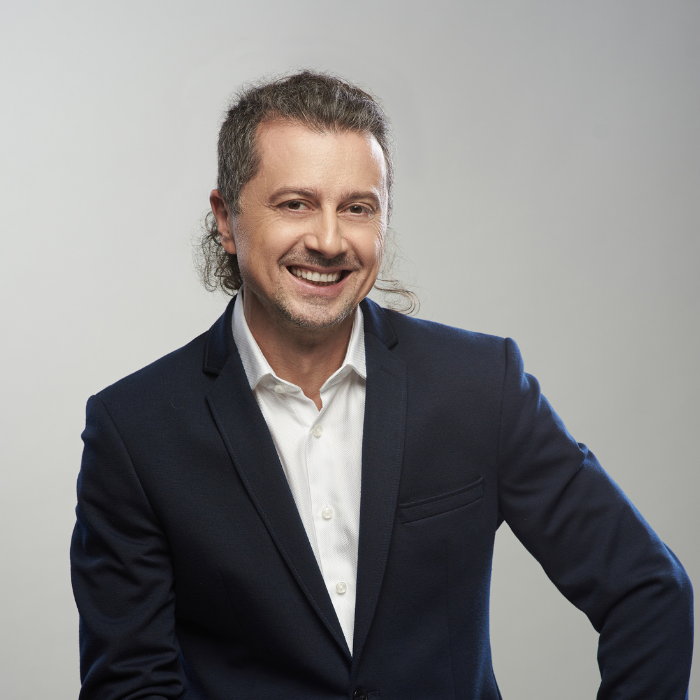
Specialist in general and vascular surgery.
A passionate advocate of minimally invasive surgical techniques. His professional interests focus on laparoscopic minimally invasive methods, primarily for the treatment of obesity, as well as the use of minimally invasive, including laser techniques, in treating venous diseases of the lower limbs.
He also performs surgical treatment of common conditions such as gallbladder stones, abdominal hernias, and hiatal hernias.
In 2002, he graduated with honors from the Faculty of Medicine at the Medical University of Wrocław. He initially worked at the surgical department of the hospital in Głogów, and later at the surgical department of the Provincial Specialist Hospital in Wrocław.
Currently, he performs varicose vein surgeries at Optima Clinic Medical Center in Wrocław and bariatric surgeries at EuroMediCare Hospital in Wrocław.
In his daily practice, he deals with:
- Varicose veins of the lower limbs
- Vascular diseases
- Obesity treatment
- Inguinal and abdominal hernias
What does a sclerotherapy procedure look like?
Frequently Asked Questions (FAQ)
Is sclerotherapy painful?
The procedure involves minimal discomfort – the pricks are comparable to having blood drawn.
How long does the procedure take?
Usually 15 to 30 minutes.
When are the effects visible?
The effects can be seen after just a few weeks, although the time to complete vessel resorption may vary depending on their size.
Does the procedure need to be repeated?
Sometimes it is recommended to perform a series of 2–3 treatments to achieve the full aesthetic effect.
Do you have to lie down after the procedure?
No – the patient can return to daily activities immediately, but should follow the recommendations regarding avoiding heat and intense exertion.
Why is it worth undergoing sclerotherapy at Optima Clinic?
An experienced team of doctors and diagnosticians
Modern diagnostic equipment
Individual approach to the patient
Safe care before, during and after the procedure
Address
ul. Tęczowa 83W
53-601 Wrocław

